Gum disease treatment in Weybridge
Bleeding or receding gums can be the first sign of gum disease. We check your gums at every examination and treat gum disease with our hygienists and our periodontist in Weybridge.
- Fee
- Consultation £165
- With
- Gao Jye Teh
- Google reviews
- 4.9
What gum disease is
Gum disease is inflammation of the gums and the bone that holds your teeth in place. It is very common in UK adults. It is also one of the main reasons people lose teeth. Many people have it without ever having been diagnosed. At our Weybridge practice, gum disease treatment starts with finding it early, then cleaning away the cause and helping you keep it under control at home.
The cause is the bacteria in dental plaque. When plaque sits along the gum line, the gums react by becoming red and swollen. They may bleed. In its early form this is called gingivitis. It usually settles once the plaque is removed and cleaning improves. If it carries on, the inflammation can spread deeper and start to destroy the bone around the teeth. This is periodontitis (or periodontal disease). The gum pulls away from the tooth to form a pocket, which collects more bacteria.
Gum health matters beyond the mouth. Gum disease has been linked with diabetes and heart disease. It can also affect mother and baby during pregnancy.
Symptoms of gum disease
Gum disease often has no symptoms at all, which is why regular checks matter. When there are signs, they can include:
- Bleeding when you brush, floss or bite into something hard such as an apple
- Red, swollen or sore gums
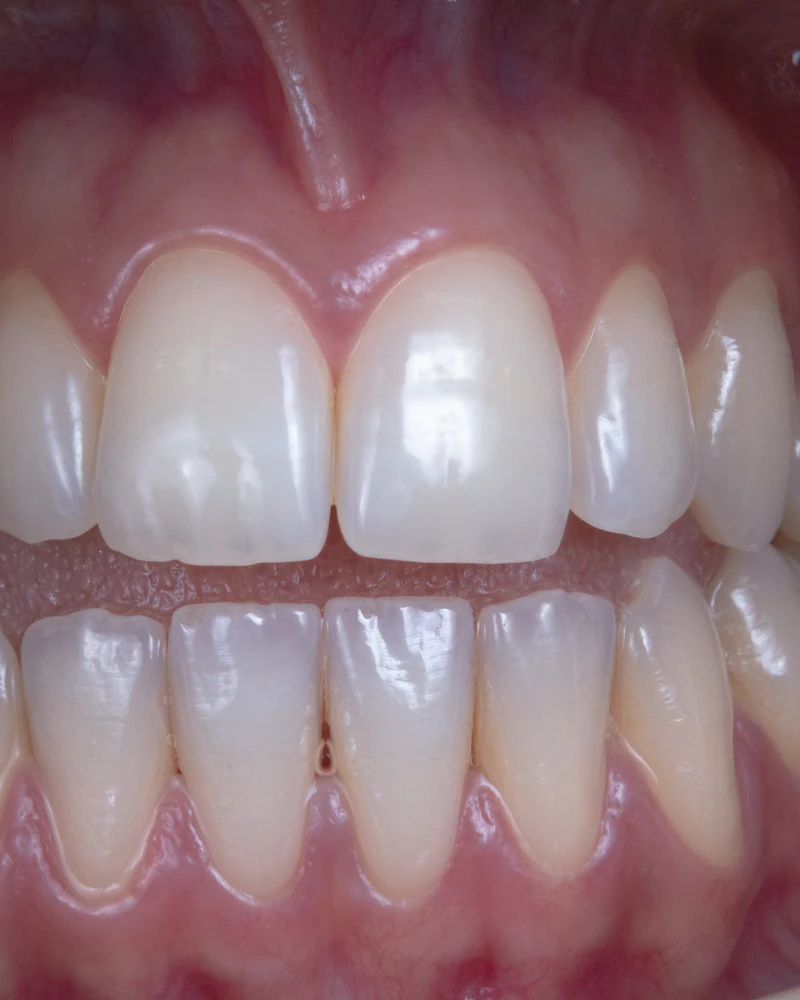
- Gums that have shrunk back from the teeth (receding gums)
- Teeth that feel loose or have started to separate
- Teeth that seem to have moved position
- Bad breath or a bad taste that does not go away
Our article How do I know if I have gum disease? goes through these signs in more detail.
Who is more at risk
Plaque is the main cause, yet some people are more susceptible than others. The main risk factors are:
- Family history. Some people are genetically more prone to gum disease even with average cleaning habits, such as brushing twice a day.
- Smoking. This is one of the most significant risk factors. Smoking reduces blood flow to the gums, which speeds up the disease. It can also hide the usual warning signs such as bleeding.
- Stress. Stress can make it harder for the body to fight infection.
- Age. Older people have the highest rates of periodontal disease.
- Some medical conditions. Cardiovascular disease, diabetes and rheumatoid arthritis interfere with the body's inflammatory response, which can make gum problems worse.
How we check your gums
The most useful thing you can do is attend regular check-ups. At every examination we check the health of your gums. Where needed we take x-rays to look at the bone levels holding your teeth in place. We may also measure the depth of the gaps between your gums and teeth. Deeper pockets are a sign that the disease has reached the bone. Our article on deep pockets in gums explains what these measurements mean.
Gum disease treatment at Post House
Treatment depends on how far the disease has progressed. Every plan is subject to a consultation and assessment.
Early gum disease
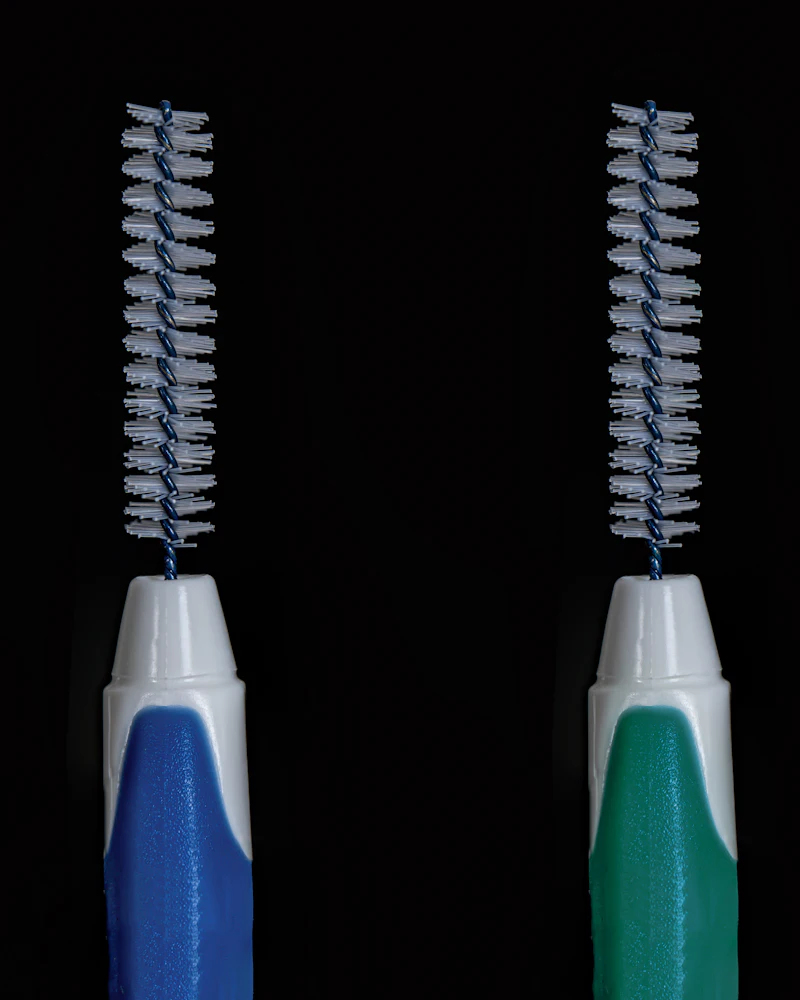
For gingivitis and mild gum disease, we recommend regular visits to our hygienist. Your hygienist removes hard deposits (tartar) and staining that a toothbrush cannot shift. Just as important, they show you how to clean properly at home, including between the teeth. Thorough daily plaque control is what keeps gum disease from coming back.
Established gum disease
Where gum disease is well established, we refer you to our periodontist, Gao Jye Teh, BDS (Kings), MClinDent Periodontology (UCL Eastman). A periodontist is a dentist with further training in the gums and the bone that supports the teeth. Your periodontist will assess the depth of the pockets and the amount of bone loss. They will then plan a course of deep cleaning below the gum line to remove the bacteria that drive the disease.
The practice also has a dental laser for treating gum disease. In suitable cases it can be used to clean infected gum pockets, often with little need for numbing injections. Your periodontist will tell you whether laser treatment is appropriate for you. Our article on laser dentistry for gum disease has more background.
If your gums have receded, there are also treatments that can cover exposed roots in some cases. These are planned separately once the disease is under control.
Can gum disease be cured?
Gingivitis can usually be reversed with professional cleaning and better home care. Periodontitis is different. Bone that has been lost does not usually grow back by itself, but the disease can be brought under control and kept stable. That depends on two things. One is professional treatment. The other is careful daily cleaning by you, followed by regular maintenance visits. People who keep up both often keep their teeth for many years. Results vary from person to person.
Alternatives and what happens if you leave it
There is no real alternative to removing the plaque and bacteria that cause gum disease. Mouthwashes and special toothpastes may help a little but cannot clean below the gum line. Left untreated, periodontitis tends to get slowly worse. Teeth can become loose and may eventually be lost. Treating it early is simpler and usually less costly than replacing teeth later.
The cost of gum disease treatment
A hygiene appointment with our hygienist costs £97 for 30 minutes for adults aged 14 and over. Adult hygiene with the dentist costs £120. A periodontal consultation with our periodontist is £165. The cost of further treatment depends on how many teeth are affected and how deep the pockets are. We confirm it in a written treatment plan before you commit. You can see all our prices on the fees page.
We provide both NHS and private dental care. Please ask us about NHS availability for your situation. Online booking is for private appointments only.
After treatment
After deep cleaning, your gums may feel tender for a few days. Your teeth may be more sensitive to cold for a while. As the swelling goes down the gums often tighten and can sit slightly lower on the teeth. Bleeding usually reduces as the gums heal. We will review your gums after a few weeks to check how they have responded. After that you will have regular maintenance visits, at intervals set by your periodontist or hygienist.
Your treatment, step by step
-
1
Gum check and x-rays
At your examination we check your gums and, where needed, take x-rays to see the bone levels around your teeth.
-
2
Hygienist visit
Your hygienist removes tartar and staining. They also show you how to clean thoroughly at home, including between the teeth.
-
3
Periodontal assessment
If gum disease is established, our periodontist measures the pockets around your teeth and assesses any bone loss. You then receive a written treatment plan.
-
4
Deep cleaning
The periodontist cleans below the gum line to remove the bacteria that drive the disease. A laser may be used in suitable cases.
-
5
Review and maintenance
We review how your gums have healed after a few weeks. You then have regular maintenance visits to keep the disease stable.
Fees
| Periodontal consultation | £165 |
|---|---|
| Periodontal reassessment | £165 |
| Supportive periodontal therapy | £400 |
| Non-surgical periodontal treatment | From £650 |
| Non-surgical debridement (NSD) | From £750 |
Your exact fee depends on your assessment. We give you a written treatment plan with costs before any treatment starts. See all fees.
Questions patients ask
Is it normal for my gums to bleed when I brush?
Bleeding when you brush or floss is not normal. It is usually a sign that plaque is irritating the gums, which is the start of gum disease. Do not stop brushing the area. Gentle, thorough cleaning helps the gums settle. If the bleeding carries on for more than a week or two, book a check-up so we can examine your gums.
Can gum disease be cured?
Early gum disease (gingivitis) can usually be reversed with professional cleaning and better home care. More advanced gum disease (periodontitis) cannot be undone because lost bone does not usually grow back by itself. It can be brought under control and kept stable with treatment, careful daily cleaning and regular maintenance visits. Results vary from person to person.
Does gum disease treatment hurt?
Most people find hygiene visits comfortable. For deep cleaning below the gum line the area can be numbed, so you should feel no pain during treatment. In suitable cases our laser can be used, often with little need for numbing injections. Your gums may feel tender for a few days afterwards. Your teeth may also be sensitive to cold for a while.
How much does gum disease treatment cost?
An adult appointment with our hygienist costs £97 for 30 minutes. A periodontal consultation is £165. The cost of further treatment depends on how many teeth are affected and how advanced the disease is. We confirm it in a written plan after a consultation and assessment. See our fees page for details.
Can gum disease make my teeth fall out?
Yes, it can. Gum disease is one of the main causes of tooth loss in adults. As the disease destroys the bone around the teeth, they can become loose, drift out of position and eventually be lost. Treating gum disease early gives you a much better chance of keeping your teeth. If you have noticed loose teeth, book an examination soon.
Do I need to see a periodontist?
Not everyone does. Early gum disease is usually managed with our hygienists and better cleaning at home. Where gum disease is well established, we refer you to our periodontist, Gao Jye Teh, who holds an MClinDent in Periodontology from UCL Eastman. A periodontal consultation is £165.
Who will treat you