Preventative dentistry in Weybridge
Preventative dentistry at our Weybridge practice: regular checks, hygiene care and practical advice to help you avoid decay, gum disease and tooth wear before they need treatment.
- Fee
- £97
- Google reviews
- 4.9

Prevention sits at the centre of how we work at Post House Dental. Preventative dentistry means finding problems early or stopping them from starting, so that you need less treatment over your lifetime. It is the approach behind every examination we carry out in Weybridge. It gives you a better chance of keeping your own teeth for life.
Fillings and extractions tend to lead to more of the same. A filled tooth may later need a larger filling, then a crown, then possibly removal. Our aim is to help you step off that cycle by keeping decay small or avoiding it altogether. We also look for early signs of tooth wear, gum disease and changes in the soft tissues of the mouth.
What preventative dental care involves
Preventative care is not one treatment. It is a combination of regular checks, professional cleaning and advice you can use at home. What we recommend for you is subject to a consultation and assessment, since everyone's mouth, habits and risks are different.
Regular examinations
At each examination your dentist checks every tooth for signs of decay, looks at your gums and checks the soft tissues of your mouth. Our dentists use magnification in almost all procedures, including routine examinations, which helps them spot small changes. Digital x-rays are taken when they are needed to see between the teeth and below fillings, where decay can hide.
We aim to find decay at its earliest stage. A small cavity needs a small repair, which preserves more of your natural tooth and helps you avoid toothache. Our new patient examination is £87 and includes two radiographs and a digital scan.
Diet and fluoride
What you eat and drink (and how often) has a direct effect on decay. We will talk through your diet with you and suggest realistic changes. These are usually about how frequently sugar and acid reach your teeth rather than cutting things out entirely.
Fluoride helps to protect teeth against decay. Your dentist can tell you whether you would benefit from fluoride varnish painted onto the teeth. It can be particularly useful for children. We cover this in more detail on our children's dentistry page.
Looking after your gums
Teeth depend on healthy gums and bone for support. Gum disease (gingivitis in its early form and periodontitis once the bone is affected) is a major cause of tooth loss in adults. An early sign is bleeding when you brush. If it progresses the bone around the teeth can shrink away, so that teeth become loose and may eventually need to be removed. A missing tooth may then need an implant, a bridge or a denture to replace it.
We assess your gums as part of every examination, using what we see in the chair alongside your x-rays. Where there are signs of active disease we may refer you to our periodontist for a more detailed assessment. Treatment can include deep cleaning and in some cases gum surgery. You can read more on our gum disease page.
Once your gums are stable you will usually see our hygienist for regular maintenance. Your hygienist will clean areas that brushing misses and show you the cleaning routine that works for your mouth. Our fee for adult hygiene with the hygienist (age 14 and over) is £97 for 30 minutes. See the hygienist page or our fees for other options.
Oral cancer screening and soft tissue checks
A full examination always includes a check of the soft tissues of the mouth, including oral cancer screening. Our dentists are trained to recognise suspicious lesions. As with most conditions, finding a problem early can make a real difference to the outlook. We will also give you advice on habits that raise the risk, such as smoking and alcohol.
Tooth wear and sensitivity
Enamel can be worn away in several ways. Acid from food and drink can dissolve it (erosion). Brushing too hard can wear the teeth and gums near the gum line. Grinding or clenching, often at night, can flatten and chip the biting edges. Each of these can lead to sensitivity and sometimes pain.
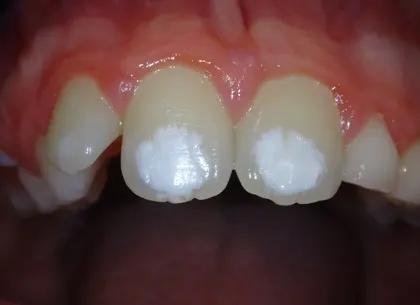
If you have symptoms, your dentist will look for the underlying cause and suggest the right advice or treatment. That might mean changing how often you have acidic drinks, adjusting your brushing technique to protect your gums or wearing a night splint to protect your teeth from grinding. Our article on what causes chalky teeth in adults covers one common question about enamel.
Your general health
A healthy mouth matters beyond your teeth. Research has linked gum disease with other conditions including diabetes and heart disease. Please tell us about any medical conditions or medicines at each visit, because they can affect your mouth and the advice we give you.
Prevention for the whole family
Good habits started young tend to last. We see children as well as adults and keep their visits relaxed. We look at how their teeth are coming through, show them how to brush properly and talk to parents about diet and fluoride.
NHS and private preventative care
We provide both NHS and private dental care. Please call the practice to ask about NHS availability, as we cannot promise it for every treatment. Online booking is for private appointments only.
Why patients choose Post House Dental
Post House Dental has looked after patients at The Old Post House on Heath Road in Weybridge since 1978. Our clinical approach is built on prevention and evidence-based dentistry. Where a tooth does need repair, we favour biomimetic techniques that keep as much natural tooth as possible. Our team is committed to postgraduate education. We would always rather help you avoid treatment than provide it.
Fees
| Adult hygiene with the hygienist (age 14 and over)30 minutes | £97 |
|---|
Your exact fee depends on your assessment. We give you a written treatment plan with costs before any treatment starts. See all fees.
Questions patients ask
What is preventative dentistry?
Preventative dentistry is care that aims to stop dental problems starting or to catch them early while they are small. It includes regular examinations, x-rays when needed, professional cleaning with a hygienist, fluoride where it helps and advice on diet and cleaning at home. The aim is for you to need less treatment over your lifetime and keep your own teeth for as long as possible.
How often should I have a check-up?
It depends on your own risk of decay and gum disease. Some people need to be seen more often than others. Your dentist will recommend an interval after your examination and review it at each visit. If your mouth stays stable the gap may be longer. If you have active gum disease or new decay it will usually be shorter.
Is preventative dental treatment available on the NHS?
We provide both NHS and private care. Examinations, x-rays and some preventative treatments can be provided on the NHS, but we cannot promise NHS availability for every treatment or appointment. Please call the practice to ask. Online booking is for private appointments only.
Why do my gums bleed when I brush?
Bleeding when you brush is often an early sign of gum inflammation caused by plaque along the gum line. It should not be ignored, even if it does not hurt. Your dentist or hygienist can check your gums, clean areas that are hard to reach and show you how to clean them effectively at home. If needed, we may refer you to our periodontist.
How much does preventative dental care cost?
Our New Patient Examination is £87 (including 2 radiographs + digital scan). An Existing Patient Examination is £72 (Including 2 radiographs + digital scan). Adult hygiene with the hygienist (age 14 and over) is £97 for 30 minutes. Any further treatment is subject to a consultation and assessment and is confirmed in a written plan first. See our fees page for all our prices.
Can sensitive teeth be prevented?
Often, yes. Sensitivity usually comes from worn enamel or gums that have shrunk back. Common causes are acidic food and drink, brushing too hard and grinding the teeth. Your dentist will look for the cause and suggest changes to diet or brushing, a toothpaste for sensitive teeth or a night splint if you grind your teeth.