Dental bridges in Weybridge
A fixed bridge fills the gap left by a missing tooth using the teeth either side for support. Conventional and resin-retained bridges at our Weybridge practice.
- Fee
- £850 per unit
- Google reviews
- 4.9
A dental bridge replaces one or more missing teeth by joining a false tooth to the teeth beside the gap. At Post House Dental in Weybridge we make fixed bridges that are cemented or bonded in place, so you do not take them out. A well-made bridge restores your bite and the look of your smile. It also stops neighbouring teeth drifting into the space.
Bridges work well when they are planned and placed carefully. They do have limits. They rely on the neighbouring teeth for support and they are not suited to replacing long spans of missing teeth. Which type suits you depends on the number and condition of the teeth that would support it. Treatment is subject to a consultation and assessment.
Who a dental bridge suits
A bridge is often a good fit if you have lost one tooth (or occasionally two side by side) and the teeth either side are firm with healthy gums around them. It suits people who would rather not have surgery or who want the gap closed sooner than an implant allows. It is a sensible choice when the neighbouring teeth already have large fillings that would benefit from a crown anyway.
A bridge is less suitable where the supporting teeth are loose, heavily decayed or affected by gum disease. It is also less suitable when several teeth in a row are missing. In those cases we will talk you through other options.
Types of dental bridge
Conventional bridges
A conventional bridge is held by crowns fitted on the teeth either side of the gap. These bridges are strong and can last a long time. Because the supporting teeth are crowned, a conventional bridge can also improve their appearance. It is a good choice when those teeth already have large fillings or would benefit from a crown anyway. The downside is that healthy tooth has to be removed to fit the crowns. That cannot be undone, which is why we weigh it carefully.
Resin-retained bridges
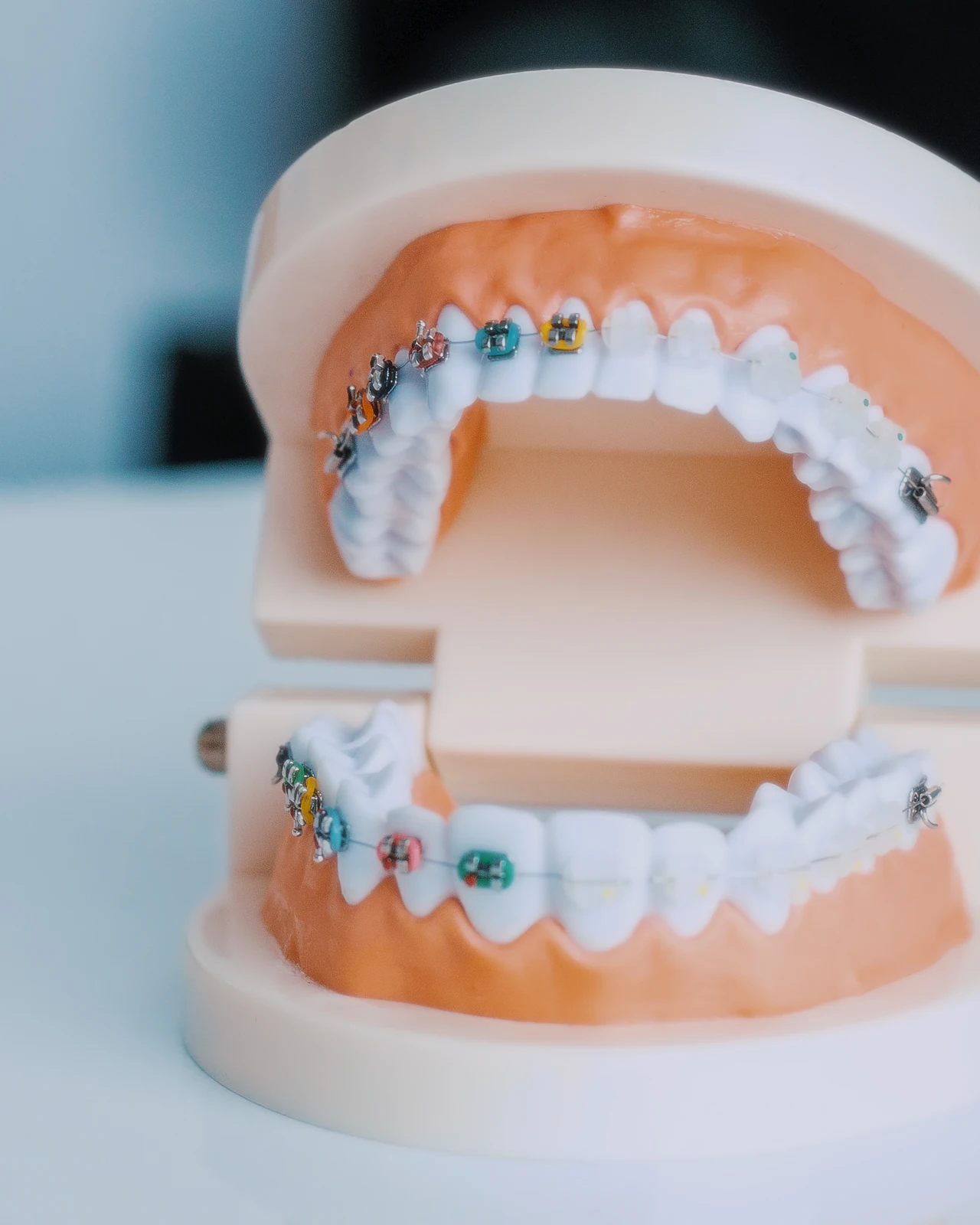
A resin-retained bridge has small wings bonded to the back of the neighbouring teeth. The wings can be ceramic, metal or gold, depending on where the bridge sits. Very little or no drilling of the supporting teeth is needed, which makes this a conservative option. Resin-retained bridges suit small gaps where the neighbouring teeth are healthy and unrestored. With careful planning they are both strong and predictable. If one ever comes unstuck, it can often be bonded back in place.
What happens at your appointments
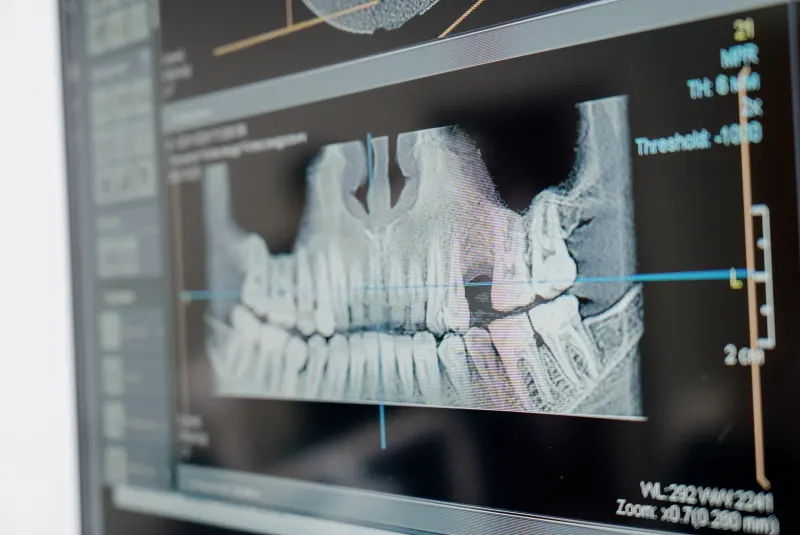
We start with an assessment. We examine the gap, the supporting teeth, your gums and bite and take x-rays to confirm a bridge is suitable. We then explain which design and material we recommend for you and why, along with a written plan and fees.
For a conventional bridge, the supporting teeth are prepared under local anaesthetic, so you should feel no pain during treatment. A resin-retained bridge needs little or no preparation. We record the shape of your teeth for the laboratory and may fit a temporary bridge while yours is made. At the fitting appointment we check the fit, colour and bite before cementing or bonding it in place.
Bridges compared with other options
A bridge is one of three main ways to replace a missing tooth.
- Bridge: fixed in place without surgery. It relies on the neighbouring teeth for support.
- Dental implant: does not involve the neighbouring teeth but needs surgery, takes longer and costs more.
- Partial denture: removable and usually the least expensive option.
Our page on missing teeth compares them in more detail. If the teeth either side of the gap are sound and untouched, we may suggest a resin-retained bridge or an implant to avoid cutting them down.
Dental bridge cost in Weybridge
- Fixed bridge: £850 per unit
- Resin-retained bridge (RRB): £975 for 2 units
- Conventional bridge: £875 per unit (a 2 unit bridge is £1,750)
- Recement bridge: £95
A unit is each tooth in the bridge, counting the supporting teeth as well as the false tooth. The final fee depends on the type of bridge, the materials and the number of teeth involved. It is confirmed in a written treatment plan before treatment starts. See our fees page for details. We provide NHS and private care. NHS availability varies, so please call to ask. Online booking is for private appointments only.
How long a bridge lasts
It varies from person to person. Published studies report that around 80% of conventional bridges are still in place after 15 years. How long yours lasts depends on the health of the supporting teeth, your gums, your bite and how well you clean under the bridge.
Looking after your bridge
Some people notice mild sensitivity in the supporting teeth for a few days after fitting. Your bite may feel different at first while you get used to it.
Food and plaque can collect under the false tooth, so cleaning there matters. Floss threaders, special bridge floss or small interdental brushes let you clean the gap between the bridge and the gum. Our hygienists will show you the method that suits your bridge. Brush the supporting teeth carefully along the gum line too. Regular check-ups and hygiene visits help us spot problems early.
If your bridge feels loose or comes off, keep it safe and call us. It can often be recemented. Our article on emergency dental treatment explains what to do if it happens out of hours.
Your treatment, step by step
-
1
Assessment
We examine the gap, the supporting teeth, your gums and bite and take x-rays to confirm a bridge is suitable.
-
2
Preparing the teeth
Under local anaesthetic we prepare the supporting teeth. For a resin-retained bridge little or no preparation is needed.
-
3
Records and temporary
We record the shape of your teeth for the laboratory. A temporary bridge may be fitted while yours is made.
-
4
Fitting
We check the fit, colour and bite of the finished bridge, then cement or bond it in place.
Fees
| Fixed bridge | £850 per unit |
|---|---|
| Resin-retained bridge (RRB) | £975 for 2 units |
| Conventional bridgeA 2 unit bridge is £1,750 | £875 per unit |
| Recement bridge | £95 |
Your exact fee depends on your assessment. We give you a written treatment plan with costs before any treatment starts. See all fees.
Questions patients ask
How much does a dental bridge cost?
At Post House Dental a fixed bridge is £850 per unit and a resin-retained bridge (RRB) is £975 for 2 units. A conventional bridge is £875 per unit (a 2 unit bridge is £1,750). The final fee depends on the type of bridge, the materials used and how many teeth are involved. Your fee is confirmed in a written treatment plan after your assessment and before any treatment starts. See our fees page.
How long does a dental bridge last?
It varies from person to person. Published studies report that around 80% of conventional bridges are still in place after 15 years. How long yours lasts depends on the health of the supporting teeth, your gums, your bite and how well you clean under the bridge. Regular check-ups and hygiene visits help us spot problems early.
Is a bridge or an implant better for a missing tooth?
Both are fixed options and each has a place. A bridge is quicker and avoids surgery, but it relies on the neighbouring teeth. An implant leaves the neighbouring teeth untouched, but it involves surgery, takes longer and costs more. If the teeth either side already need crowns, a bridge can make good sense. We will talk through both at your assessment.
Does having a bridge fitted hurt?
The teeth are numbed with local anaesthetic before they are prepared, so you should feel no pain during treatment. Some people notice mild sensitivity in the supporting teeth for a few days afterwards. Resin-retained bridges often need little or no drilling. Fitting the finished bridge is usually straightforward and may not need anaesthetic at all.
How do I clean under a bridge?
Food and plaque can collect under the false tooth, so cleaning there matters. Floss threaders, special bridge floss or small interdental brushes let you clean the gap between the bridge and the gum. Our hygienists will show you the method that suits your bridge. Brush the supporting teeth carefully along the gum line too.
What should I do if my bridge comes loose?
Keep the bridge somewhere safe and call the practice. Do not try to glue it back yourself. A bridge that has come off can often be recemented, which is £95, as long as the supporting teeth are sound. We will check the teeth underneath first. If they have decayed or the bridge is damaged, we will explain the options and any cost before going ahead.